My Research

My research centers on understanding how climate change is reshaping biodiversity, particularly within marine invertebrate communities. I am especially interested in how rising temperatures, changing ocean conditions, anthropogenic effects and the interaction of multiple stressors drive shifts in species diversity and community structure. By examining how organisms respond physiologically and ecologically to warming and other environmental pressures, I aim to uncover the mechanisms that determine why some species thrive while others decline.

To address these questions, I integrate experimental data, long-term observations, and modeling approaches. This allows me to identify patterns of diversity change, evaluate how stressors combine to affect ecosystem resilience, and predict how marine communities may reorganize in the future. Ultimately, my work seeks to improve our understanding of how ocean life will respond to ongoing climatic shifts and to inform strategies for conserving biodiversity in a rapidly changing world.

My current post-doctoral research focuses on the interplay between scale and biodiversity with the Leverhulme Centre for Anthropocene Biodiversity at the University of York.
Previous Research

Doctoral Research

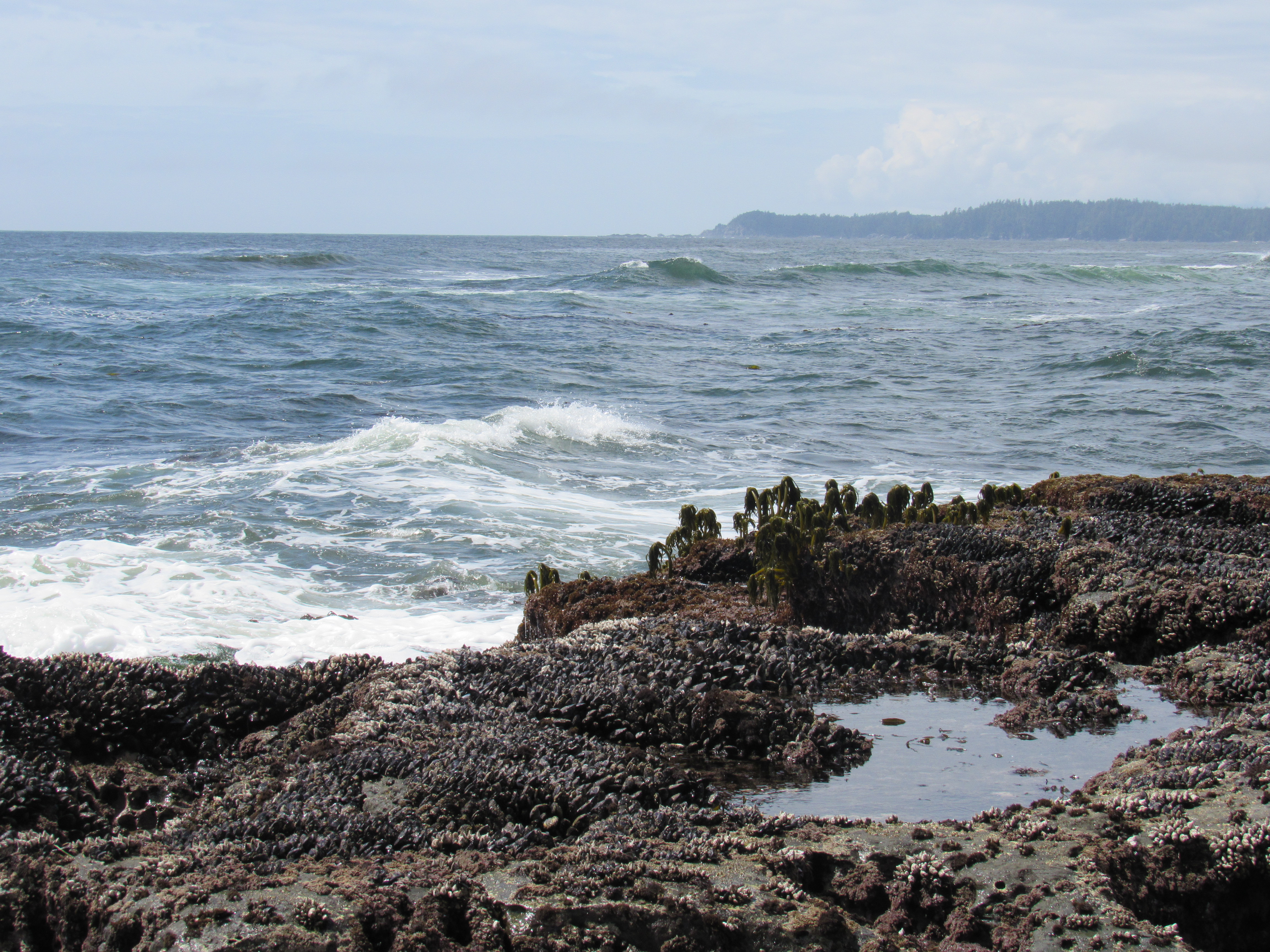
For my Doctoral research, I worked in the Bates lab at the University of Victoria, examining how environmental conditions shape the resilience and physiological responses of marine invertebrates across scales.

Master's Research

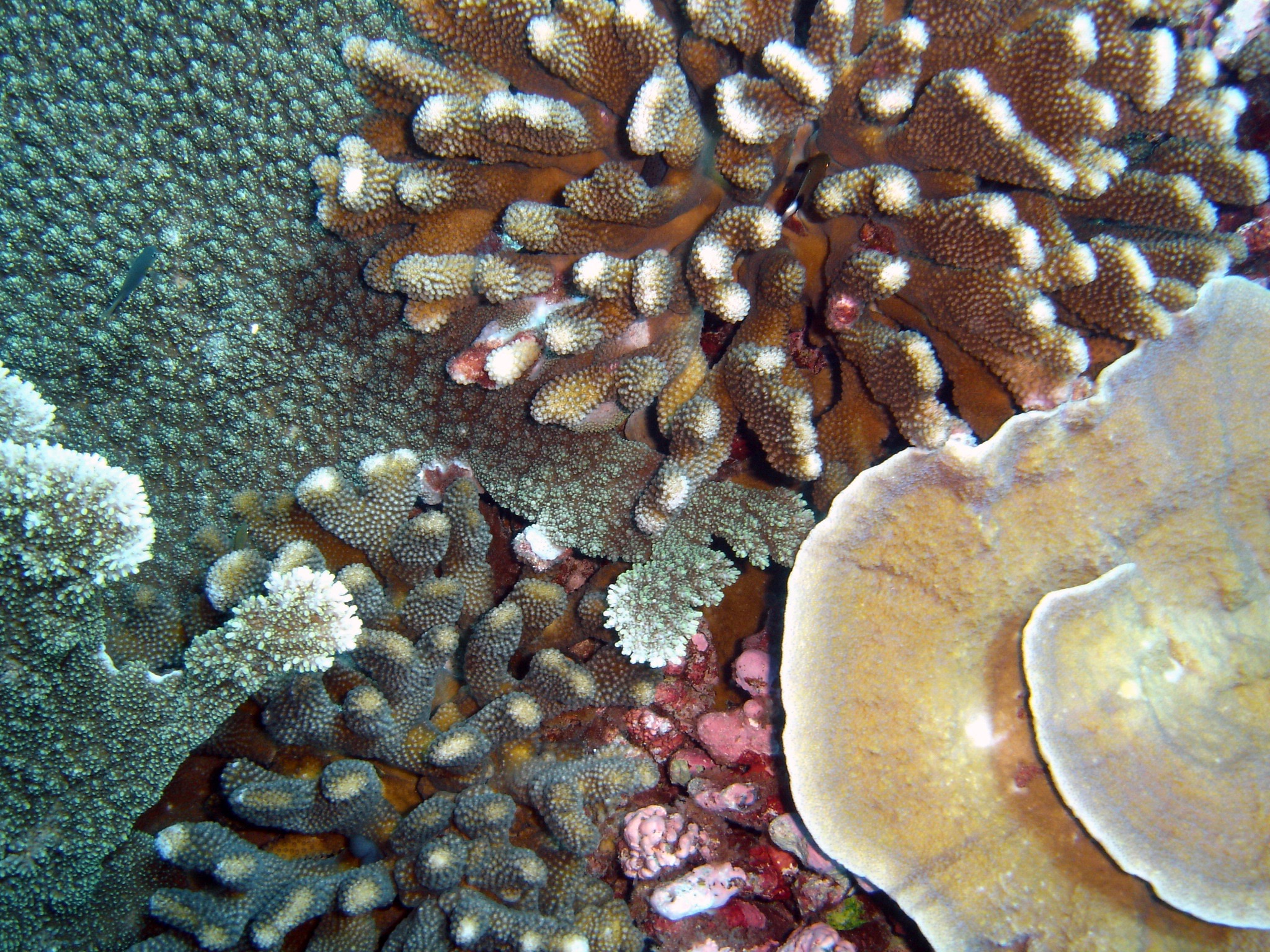
For my Master's, I was a part of the Baum Lab at the University of Victoria and I examined the impacts of local and global disturbances on coral biodiversity.

SASC Internship

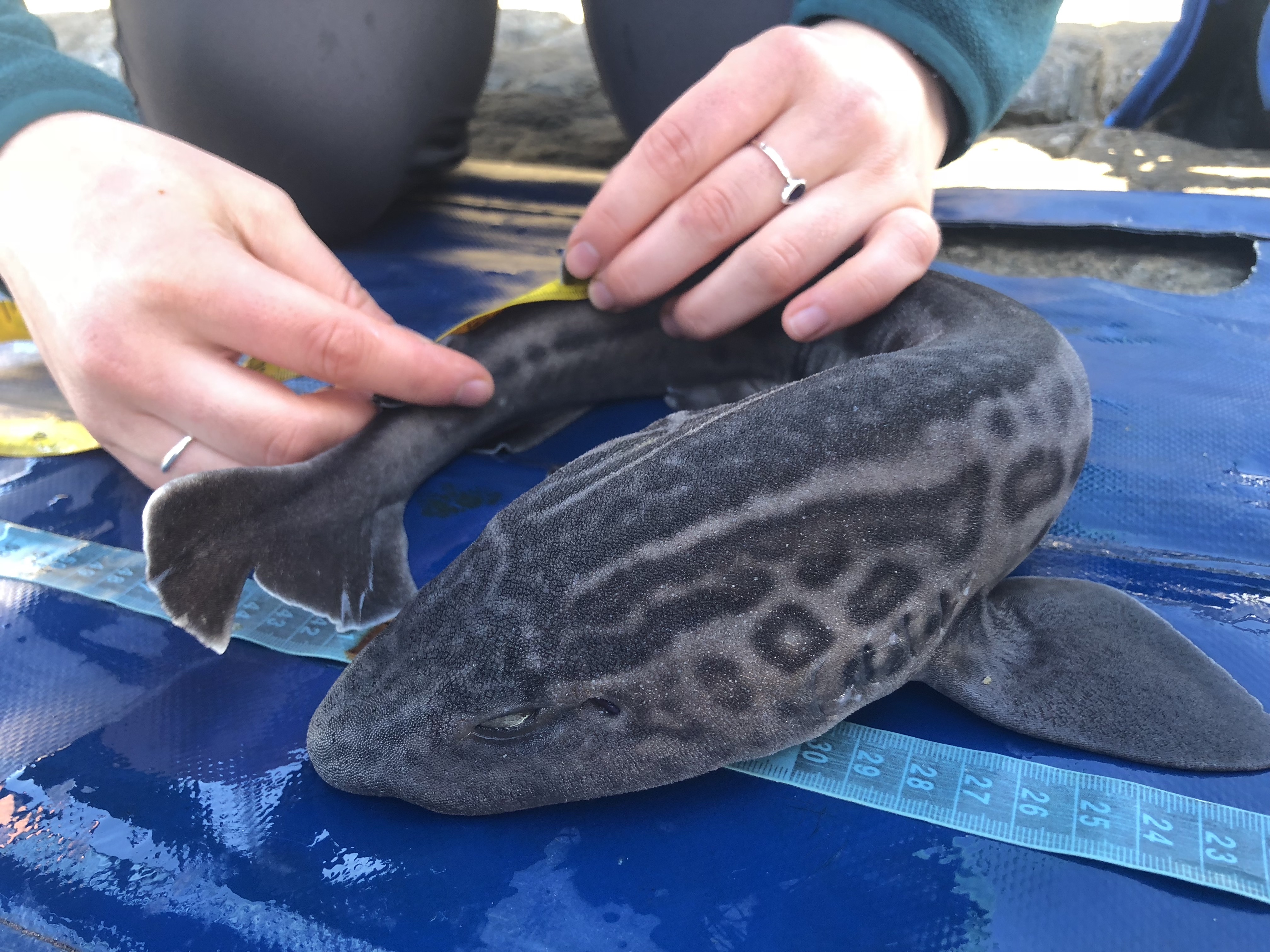
I had the opportunity to spend a month in Hermanus, South Africa as an intern with the South African Shark Conservancy.

Undergraduate Research

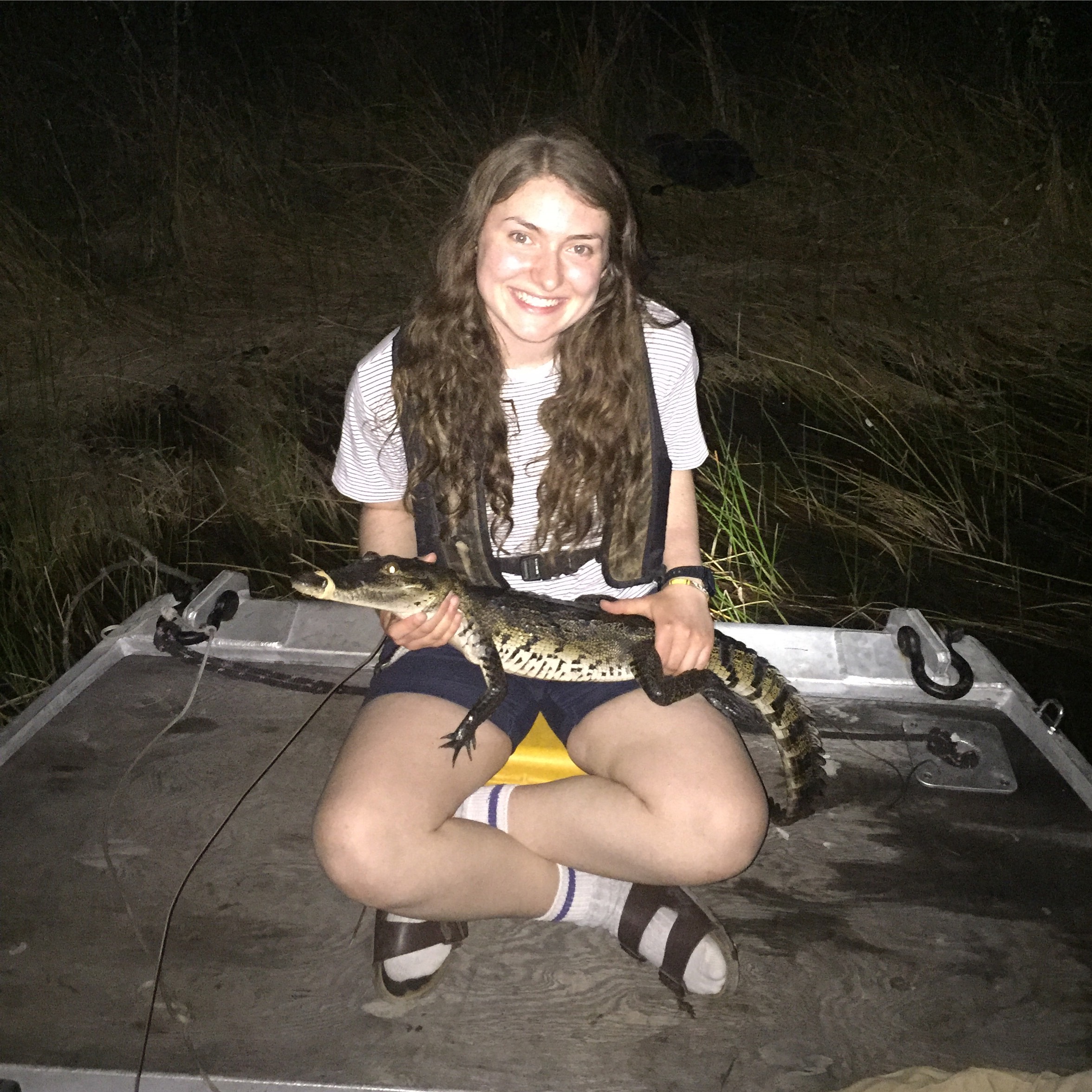
Thoughout my undergraduate degree, I had the opportunity to be involved in many research projects though my courses and summer employment.

Bats

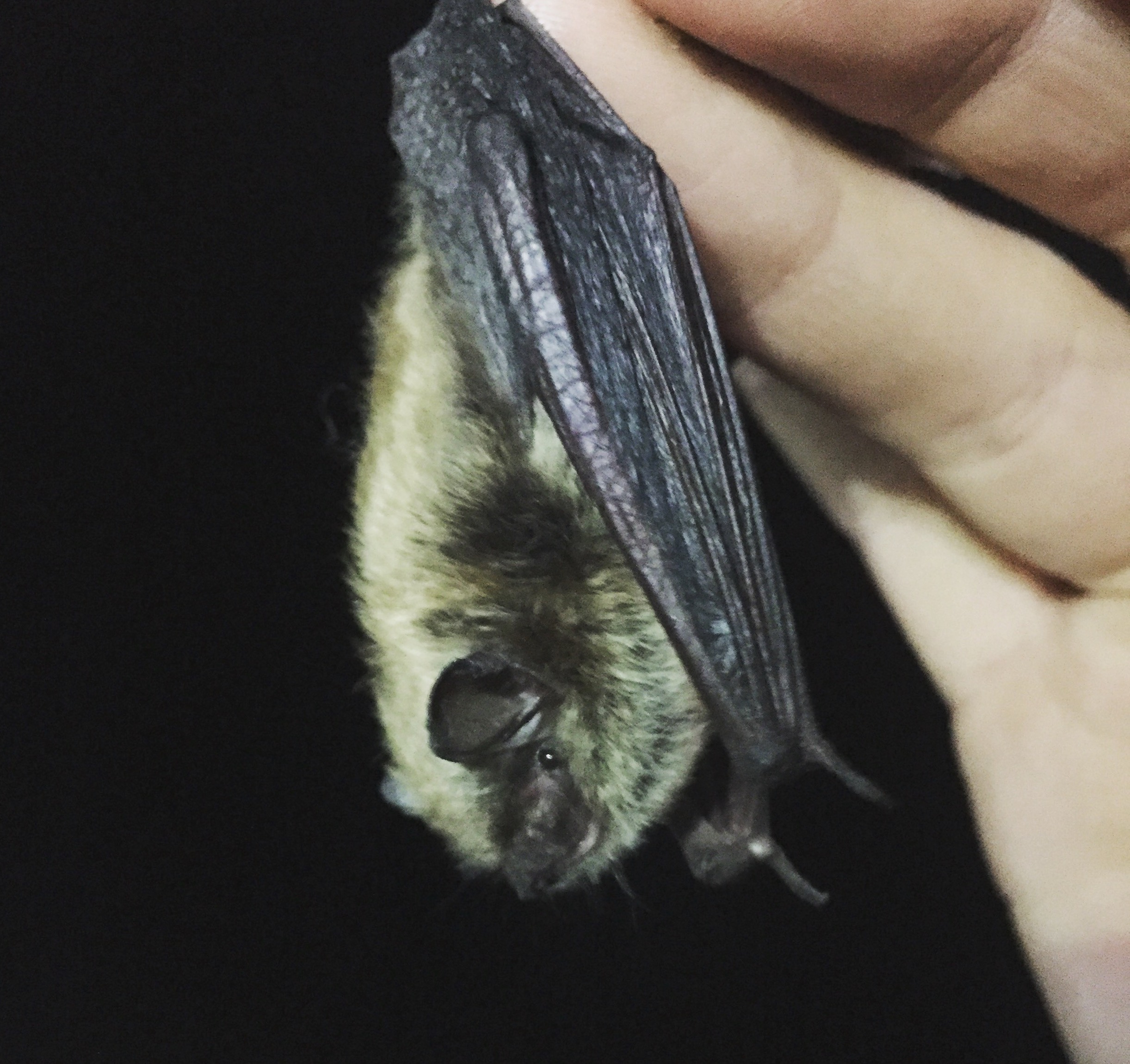
During my undergraduate degree, I was able to conduct two honours research projects, both of which were on bats.

Advice to young scientists

My favorite part of my ecology degree is that every day in the field and even in the lab is unique. You never know what you are going to find, how organisms will react or how environments will change, there is always an exception to every rule, so it keeps you on your toes and allows you to be creative and reflective.

For those looking to pursue a degree in biology, my advice is don't specialize too much. Take courses and do research that is in a broad range of topics. It is all applicable and I often see students who only look at one taxa or environment their whole degree end up very specialized and fail to see all the connections between other taxa and environments. Also, you don't truly know if you like or hate something until you give it a try.